
Are SUVs harder to park?
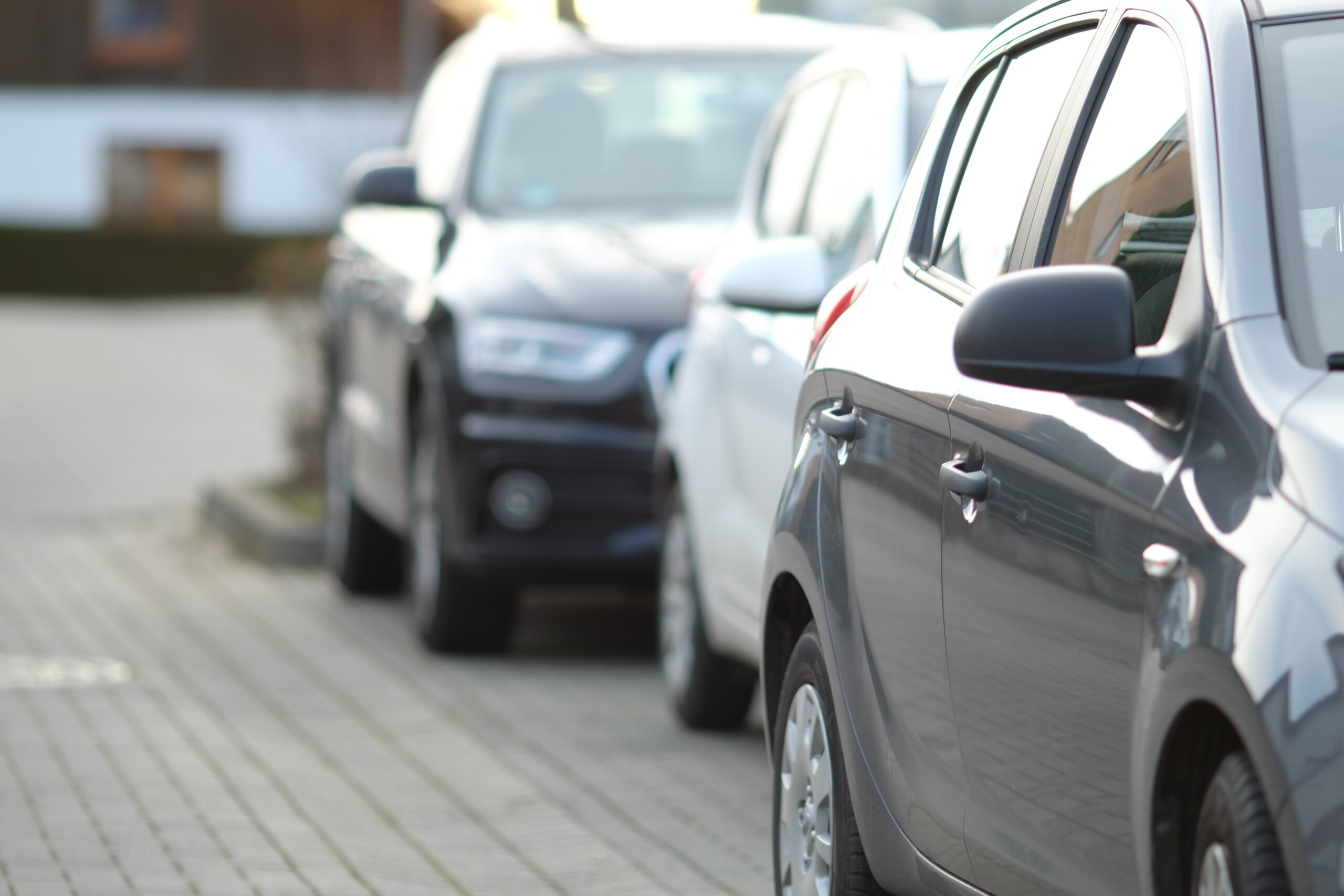
SUVs have surged in popularity, but are they harder to park than normal-sized cars? The answer is not necessarily. It’s not whether it’s an SUV or not that makes it hard to park.
5 key factors that make a car easy to park, or not
- Width and length – is the vehicle any wider or longer in footprint than the equivalent hatchback?
- Turning circle – can the car ‘turn on a sixpence’ or does it take a twelve-point turn to insert itself into a space?
- Driver eyeline height – a higher driving position normally provides better visibility for seeing objects such as kerbs, wing mirrors, and parking space markings.
- Driver assistance tech – Regardless of a car’s size, shape and category, a car with driver assistance features such as parking sensors and reversing cameras will be easier to park (whether to completely trust full-on self-driving parking functions is another matter…)
- Shape – Car manufacturers design cars to look appealing to buyers and to be aerodynamically efficient, so they’re quiet and fuel-efficient. While this has driven modern cars away from the big, boxy styles of decades past, it also sometimes drives shapes that create short, letterbox-style rear windows and thick body pillars, so this is something to look out for.
Summary
If it’s an old classic, massive and square-shaped Jeep or Range Rover, and you live in the middle of a city, then yes, you might want to come to terms with the possibility of a few parking bruises, or at least be prepared for the odd audience when you need to deliver suburban the equivalent of a tanker docking into a tight port.
But, if it’s a modern crossover SUV that’s a little higher but actually no longer or wider than a normal car, and it’s loaded with tech like parking sensors and a reversing camera, then in reality, it could well be an easier fit into your local supermarket parking space.